




Skip to content
Metal Medya

We build B2B e-commerce portals where your dealers can order around the clock

The portal takes prices, stock and payment terms from your ERP, and we improve it every month after launch. Product copy is written by our editors, who cover your sector every month.

At a glance

Duration
B2B portal set-up: 7-10 weeks
Getting started
Order process review · Free review

What companies expect from e-commerce has changed

  • Enough yesterday: Setting up a shop

    Expected today: A B2B portal where dealers place orders

  • Enough yesterday: One price list

    Expected today: Dealer-specific prices and payment terms

  • Enough yesterday: Orders keyed in by hand

    Expected today: Stock and orders synced with the ERP

  • Enough yesterday: A one-off project

    Expected today: Monthly growth and marketplace management

The layers of a B2B portal

Set-up is the first step; after it, we keep orders, prices and data flowing through monthly management.

B2B dealer portal
  • Company accounts and user permissions
  • Customer-specific prices, tiered pricing and minimum orders
  • Quick order, reorder and quote requests
  • Account balance, terms and invoices
Product content and video from our editors
  • Product descriptions and specification tables
  • Product and application videos
  • Dealer announcement for the portal launch
Set-up and migration
  • Platform choice and design
  • Migration of product, customer and order data
  • Redirects from old addresses
Marketplaces and export channels
  • Marketplace store management
  • Multilingual, multi-currency shop
  • Channel profitability per product
Growth and conversion
  • Conversion tests
  • Monthly order and dealer report
  • Trackable support hours
ERP, accounting, payment and shipping integrations
  • Stock, price and account sync
  • Order transfer to your ERP
  • Virtual POS, bank transfer and payment on terms
  • Shipping and shipment tracking

Set-up is done once; management continues every month

We quote in two parts, and you can take either one on its own.

Set-up

One-off
  • Platform and theme set-up
  • Category structure and product entry
  • Payment and shipping integrations
  • Legal pages and terms
  • Test orders and go-live

Monthly management

Ongoing
  • New products and price updates
  • Order and stock monitoring
  • Campaigns and discounts
  • Advertising and email
  • Monthly sales and traffic report

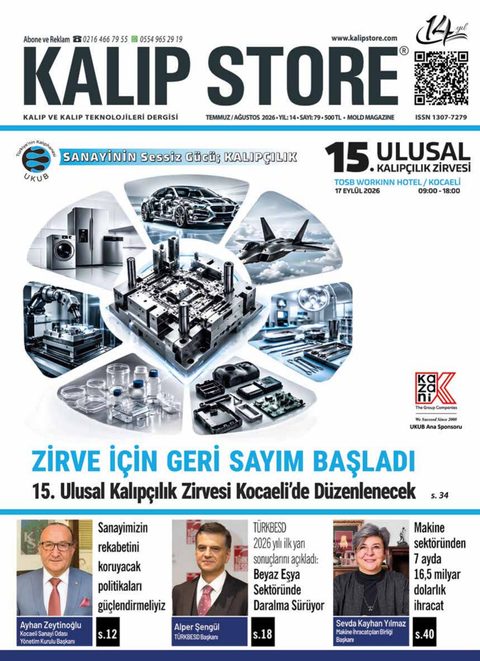
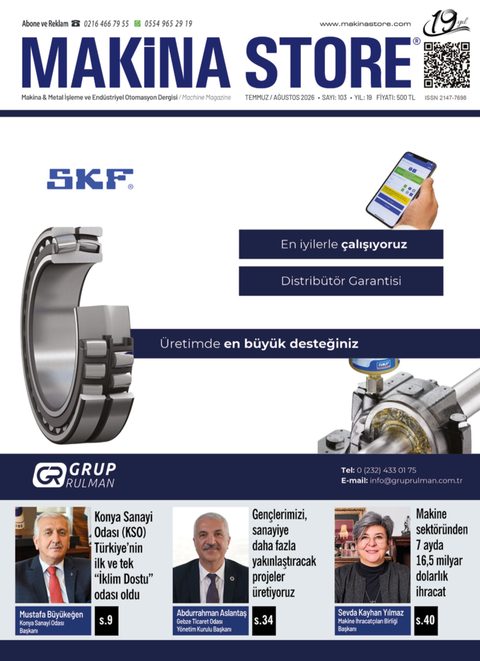
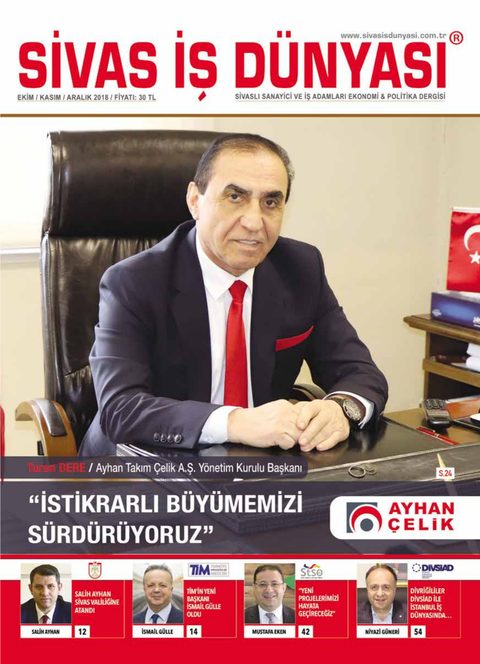
We announce your portal launch to your dealers and in our trade magazines

Our editors write your portal’s product copy and our video team shoots the product videos. We announce the launch to your dealers and, if you wish, also publish it in our 7 trade magazines.

See advertising options

From analysis to launch, and from launch to continuous growth

  1. Duration: 1 week

    Analysis

    Deliverable Scope, integration plan and written quote

  2. Duration: 2 weeks

    Design

    Deliverable Approved screen designs

  3. Duration: 3-4 weeks

    Development and integration

    Deliverable A test portal with data entered

  4. Duration: Monthly

    Launch and growth

    Deliverable Live portal and monthly report

You start with an order process review

Discuss your project
  1. Free review · 5 working days

    Order process review

    • Current order and price flow
    • ERP and accounting connection options
    • Existing shop and marketplace channels
    Request a free order process review
  2. One-off project · 7-10 weeks

    B2B portal set-up

    • Analysis and screen design
    • Portal set-up and data migration
    • ERP, payment and shipping integrations
  3. Monthly · At least 6 months

    Growth support

    • Trackable monthly support hours
    • Product, price and campaign updates
    • Marketplace management and conversion tests

We prepare your quote line by line for the model and scope you choose.

Questions asked before we start

What determines the price?

The number of dealers and products, how complex your pricing is, the integrations and the scope of monthly support. We quote set-up and monthly support as separate items in writing; your ad budget sits in its own line and its spend is reported every month.

How long does it take, and what do you need from us to start?

A typical portal opens in 7-10 weeks across analysis, design, development and launch; integrations have the biggest effect on timing. To start, your product list, your price and discount structure and the name of your ERP are enough.

Which ERP and accounting systems does it work with?

We connect to common systems such as Logo, Mikro and Paraşüt, and to ERPs that offer an API. We set the scope of the connection in writing during analysis, after reviewing your system.

How does the move from our current shop work?

We migrate product, customer and order data to the new system and redirect old addresses to the new pages to keep your search visibility. We plan the switch-over date for your quietest sales period.

How will our dealers get used to the portal?

At launch we prepare short training and a video walkthrough for your dealers, and in the first weeks we answer their questions together with your team. Your sales rep keeps the relationship with the dealer, and the portal handles routine orders.

Who owns the portal and the data?

The domain and the product, customer and order data stay with you. You can keep running the portal with us or with another team.

Tell us what you want to do and we will prepare the plan and quote to match

Share your product list, the address of your current shop if you have one, and your sales channels, and we will draw up a written plan for set-up and monthly management.

What is e-commerce management, and why is it different for an industrial company?

E-commerce management is less about setting up a shop than keeping it working every day: product information kept current, orders shipped on time and customer requests followed up. With industrial products this takes more care, because of sizes, materials and technical data.

Selling industrial products is not like selling consumer goods

A buyer of bolts, bearings or sheet metal looks at size, tolerance, material and certificates rather than colour. So the product page should include the specification table, compatible products and a downloadable data sheet, and variants are built around size and material. The same product data can be used in the printed catalogue, so the same information circulates in both places.

Catalogue and brochure design

B2B buyers expect something different

Industrial buyers often ask for a price instead of adding to a basket, request a quote by quantity or buy at dealer prices. A B2B shop should therefore consider a quote request form, prices shown only to logged-in dealers and rules such as minimum order quantities. Marketplaces can be an extra sales channel; deciding early which products are sold there and which only in your own shop keeps prices consistent.

Payment and shipping are half of trust

Secure payment and smooth shipping decide whether a buyer comes back. Virtual POS, payment options and carrier integration should be tried with test orders before launch. Shipment tracking and a clearly written returns process also reduce the questions that reach customer service.

Bringing visitors to the shop

A well-built shop does not attract visitors on its own. Search ads to appear in product searches, email and campaigns to reach existing customers and trade publications to be heard in the sector are planned together. Each channel needs to be measured separately to see which one brings orders.

Online advertising

A shop run by the report

A monthly sales and traffic report shows which products get attention, which campaigns work and where baskets are abandoned. The next month’s product, price and campaign decisions are made from it, so e-commerce management runs on data rather than guesswork.

All services